Case · 10 November 2026
Rice plants and the July 2026 amendment, end to end
Regulation (EU) 2026/1433 added Annex VII point 6.1 on rice plants grown in soil from 26 July 2026; EUR-Lex consolidated it on 15 October.
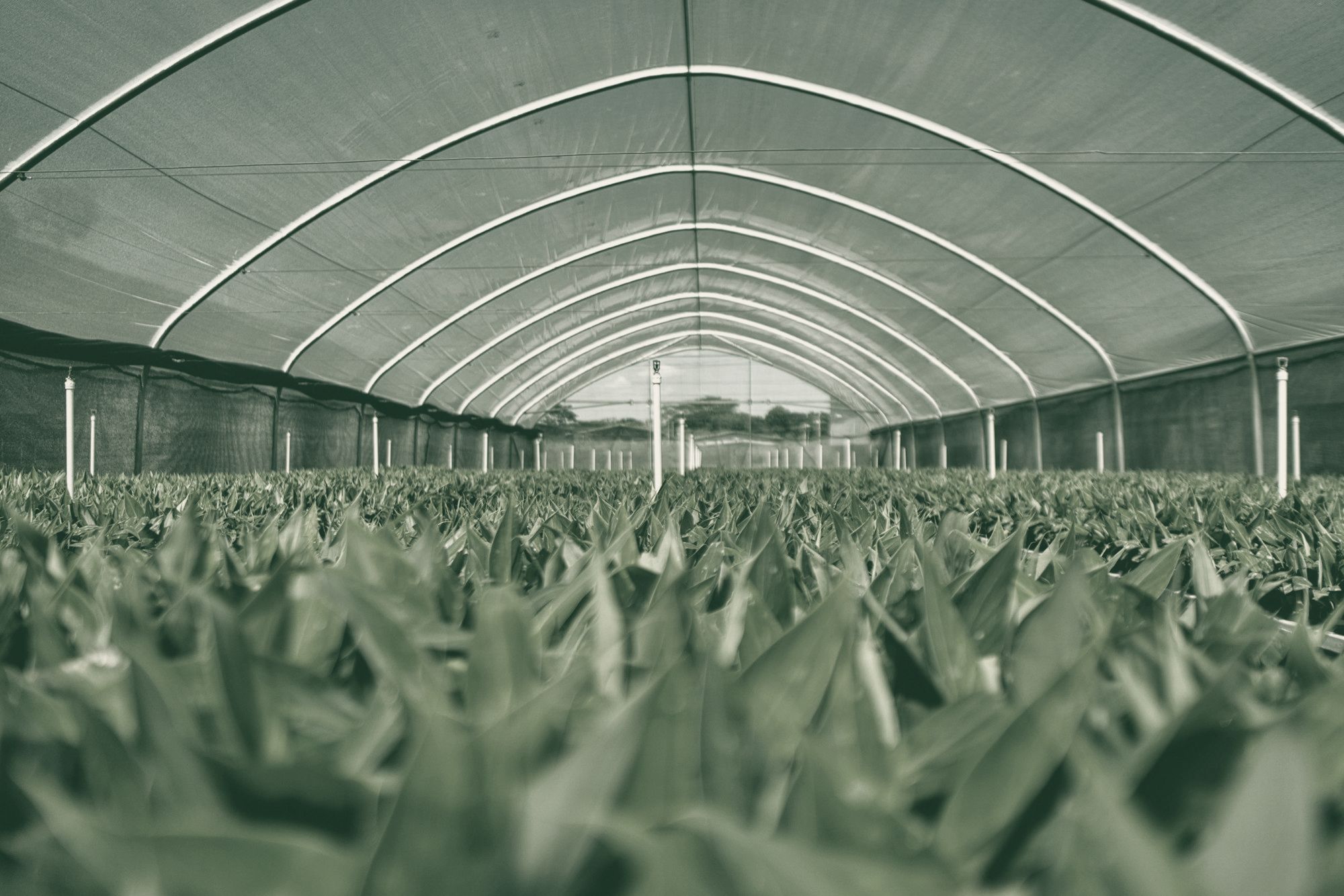
Commission Implementing Regulation (EU) 2026/1433 added a new special requirement to Annex VII of Regulation (EU) 2019/2072: point 6.1, on "Plants for planting with roots of Oryza sativa L. that have been grown in soil". It applies from 26 July 2026. EUR-Lex worked it into a consolidated version applying from 15 October 2026. For eleven and a half weeks, the rule applied but the consolidated text did not show it.
What the new point asks
The requirement targets Meloidogyne graminicola, the rice root-knot nematode, and opens:
1. Official statement that the plants: (a) originate in a country recognised as being free from Meloidogyne graminicola Golden & Birchfield, in accordance with the relevant International Standard for Phytosanitary Measures; or (b) originate in an area established by the national plant protection organisation in the country of origin as being free from Meloidogyne graminicola Golden & Birchfield, in accordance with…
It applies to rice plants for planting from a list of European and Mediterranean origins, the ones not already caught by the Annex VI ban on Poaceae plants for planting. From India, for instance, the answer on 29 November 2026 is still the ban: Oryza sativa (plants for planting) from India into the EU on 2026-11-29: prohibited under Annex VI, point 14; 10 special requirement entries matched; a phytosanitary certificate is required.
Rice plants from Egypt, on three dates
On 20 July 2026, before the amendment applied:
Oryza sativa (plants for planting) from Egypt into the EU on 2026-07-20: no Annex VI prohibition matched (the high-risk plants list and emergency measures are not checked); 8 special requirement entries matched; a phytosanitary certificate is required.
On 27 July 2026, the day after it applied, the newest consolidated version was still the one from 6 July. The entries are the same, but the answer flags the act that applies and is not yet in the text: 2026/1433 (annex VII point 6.1, applying from 26 July 2026).
On 29 November 2026, with the version of 15 October 2026:
Oryza sativa (plants for planting) from Egypt into the EU on 2026-11-29: no Annex VI prohibition matched (the high-risk plants list and emergency measures are not checked); 9 special requirement entries matched; a phytosanitary certificate is required.
The entries are now 6.1, 2.1, 3, 4, 4.1, 4.3, 7, 13, 30, with 6.1 first because it names Oryza sativa.
Why the gap matters
A reader who checks the consolidated text in August 2026 sees no point 6.1. An agent answering from that text would tell an importer that eight special requirements apply, and the exporter's certificate would lack the nematode declaration. Twigmark reads the EUR-Lex index of amending acts alongside the consolidated versions, so an act that applies before it is consolidated is named in the answer, with its date.
Seeing it coming
Amendments adopted for a later date appear in every answer under pending changes, on the changes page for their month and on the calendar with an iCal feed. An agent that re-checks open lines calls changes_since once a week.
Cite this
- Title
- Rice plants and the July 2026 amendment, end to end
- Permalink
- https://twigmark.bulkhead.solutions/blog/rice-plants-and-the-july-2026-amendment
- Texts of
- 29 Nov 2026
- Source
- EUR-Lex, Regulation (EU) 2019/2072 consolidated versions and Regulation (EU) 2026/1433
More articles