Blog
Read from the texts.
Each article answers one question an importer or a broker asks, with figures computed from Twigmark's own data and links to the official sources.
8 articles
 Guide · 10 Nov 2026How EU plant import rules work, in one pageThree annexes of Regulation (EU) 2019/2072 decide whether a plant may enter the EU and on what terms: prohibitions, special requirements and certificates.
 Explainer · 10 Nov 2026Why Petunia falls under a ban that never names itAnnex VI point 18 bans plants for planting of Solanaceae from most third countries. Petunia and Calibrachoa are Solanaceae, so the ban reaches them unnamed.
 Analysis · 10 Nov 2026The derogations the consolidated text leaves out15 standalone acts set aside parts of Regulation (EU) 2019/2072 for named plants, origins and dates. None is in the consolidated text. Here are all of them.
 Explainer · 10 Nov 2026What the additional declaration must say, and where its wording comes fromThe additional declaration repeats a special requirement of the importing country. For cut roses from Kenya into the EU, that is Annex VII point 62.
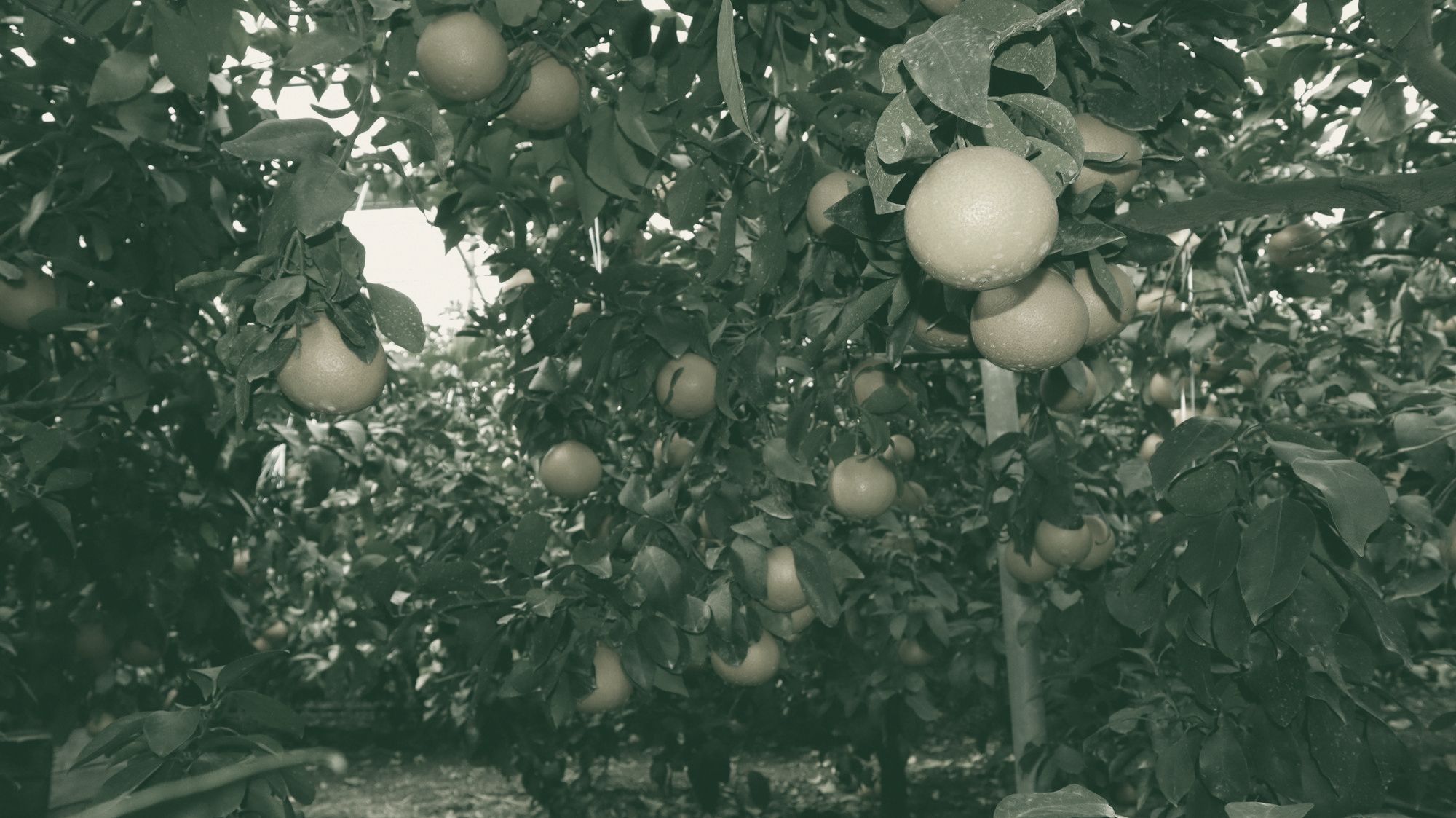 Answer · 10 Nov 2026Which fruits need no phytosanitary certificate into the EUAnnex XI Part C of Regulation (EU) 2019/2072 lists 5 fruits that may enter the EU without a phytosanitary certificate. Citrus is not one of them.
 Analysis · 10 Nov 2026EU and GB, two copies of one regulationGreat Britain kept Regulation (EU) 2019/2072 in 2021 and amends its own copy. The numbering, the dates and the exceptions have drifted apart since.
 Case · 10 Nov 2026Rice plants and the July 2026 amendment, end to endRegulation (EU) 2026/1433 added Annex VII point 6.1 on rice plants grown in soil from 26 July 2026; EUR-Lex consolidated it on 15 October.Case · 10 Nov 2026Oranges from South Africa, a certificate for the EU and none for GBSweet oranges from South Africa need a phytosanitary certificate and meet five special requirements in the EU. Great Britain needs no certificate.