Explainer · 10 November 2026
Why Petunia falls under a ban that never names it
Annex VI point 18 bans plants for planting of Solanaceae from most third countries. Petunia and Calibrachoa are Solanaceae, so the ban reaches them unnamed.
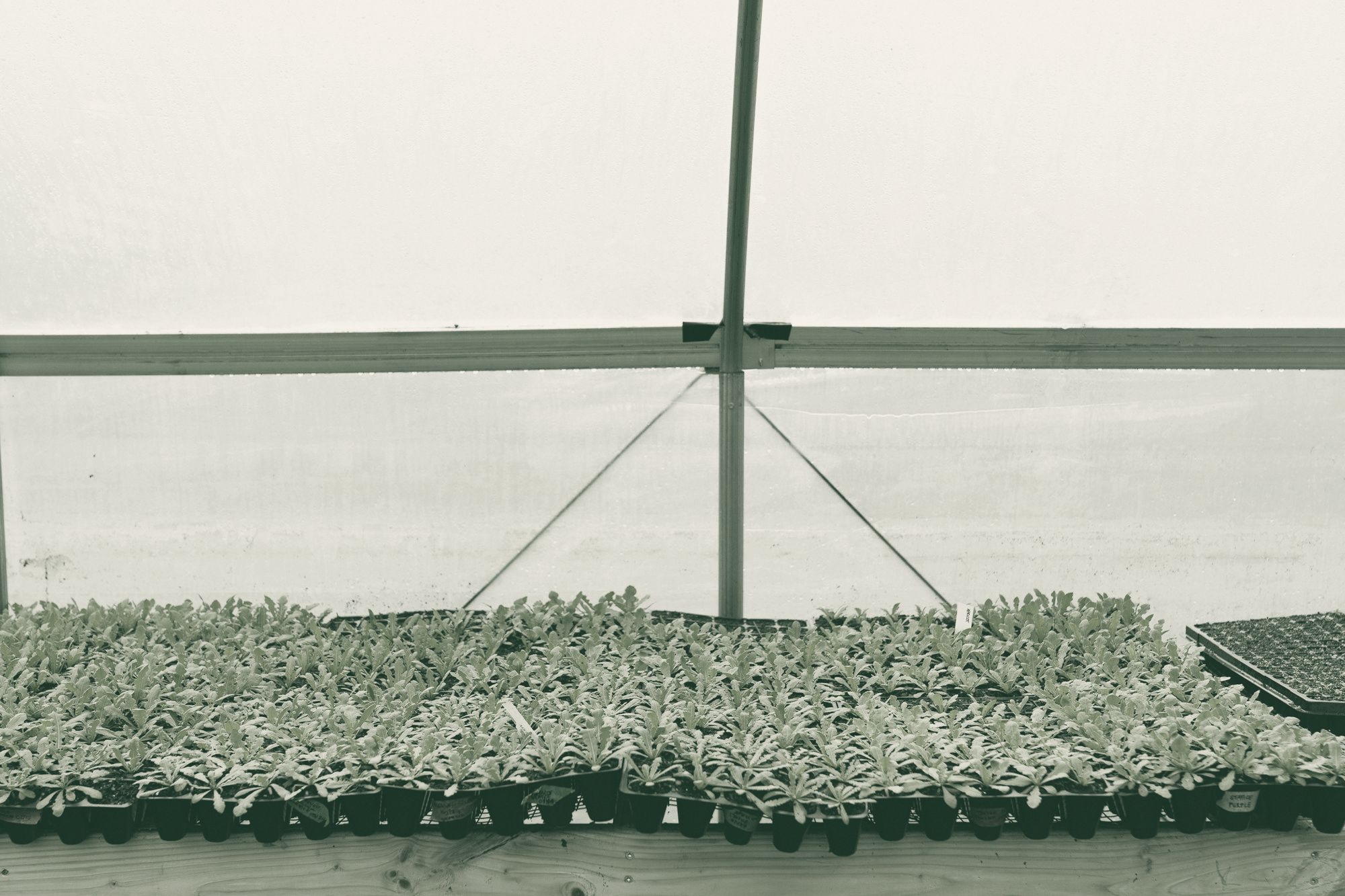
Search the EU plant health annexes for Petunia and you will not find it in a single prohibition. Yet unrooted Petunia cuttings from Uganda were prohibited until July 2026, and the reason is one word in Annex VI, point 18: Solanaceae.
What point 18 says
Point 18 prohibits the introduction into the Union of: "Plants for planting of Solanaceae other than seeds and the plants covered by entries 15, 16 or 17 (2)". The origins it covers are third countries other than a list of neighbours: Third countries other than: Albania, Algeria, Andorra, Armenia, Azerbaijan, Belarus, Bosnia and Herzegovina, Canary Islands, Egypt, Faeroe Islands, Georgia, Iceland, Israel, Jordan, Lebanon, Libya, Liechtenstein, Moldova, Monaco, Montenegro, Morocco, North Macedonia, Norway, Russia (only the following parts: Central Federal District (Tsentralny federalny okrug), Northwestern Federal District…
The entry names a family, not a genus. Petunia and Calibrachoa, the two genera behind most bedding plant cuttings, are both in Solanaceae, as are tomato, pepper and potato. A reader who searches the annex for the genus will miss the ban.
How Twigmark joins the two
Twigmark reads the genera of every family the annexes name from the GBIF Backbone Taxonomy. Solanaceae holds 113 genera there. When a question names Petunia, the answer marks point 18 as matched through the family, not by name, so the agent can say why the ban applies. Solanaceae is named in 5 EU entries and 8 GB entries in the current texts.
The answer for unrooted cuttings from Uganda on 29 November 2026 reads:
Petunia (plants for planting) from Uganda into the EU on 2026-11-29: prohibited under Annex VI, point 18, but derogation 2026/1376 (to 2029-07-31) may allow it: read its conditions; 11 special requirement entries matched; a phytosanitary certificate is required.
The way back in
The ban has been set aside for named origins by 4 separate acts: 2026/1376, 2026/292, 2025/1078 and 2025/1082. Each lets in unrooted cuttings of Calibrachoa and Petunia from one country, within dates, on conditions the act sets out. None of them is in the consolidated text of 2019/2072, which still shows point 18 as an unqualified ban. The derogation pages give each act's window and the conditions to read.
Great Britain differs
Great Britain keeps the same family ban in its own Annex 6, without the EU derogations; it authorises prohibited material by licence instead, which Twigmark does not cover. For Petunia cuttings from Uganda the two texts compare like this on 29 November 2026:
- EU derogation in force: Commission Implementing Regulation (EU) 2026/1376. This service holds no GB equivalent; GB authorises prohibited material by licence.
- Special requirement entries: EU 11, GB 14.
- Organisms named only in EU requirements: 2; only in GB: 5.
The comparison page lists the entries on both sides.
What to do with it
Before ordering cuttings of a Solanaceae genus from a new origin, check three things: whether point 18 covers the origin, whether a derogation for that origin is in force on the date the cuttings arrive, and what that derogation's conditions demand of the grower. Ask the free tool for the first two; read the act for the third.
Cite this
- Title
- Why Petunia falls under a ban that never names it
- Permalink
- https://twigmark.bulkhead.solutions/blog/why-petunia-falls-under-a-ban-that-never-names-it
- Texts of
- 29 Nov 2026
- Source
- EUR-Lex, Regulation (EU) 2019/2072 and the derogation acts on point 18; GBIF Backbone Taxonomy, doi:10.15468/39omei
More articles