Explainer · 10 November 2026
What the additional declaration must say, and where its wording comes from
The additional declaration repeats a special requirement of the importing country. For cut roses from Kenya into the EU, that is Annex VII point 62.
A phytosanitary certificate states that a consignment meets the importing country's plant health rules. Where a rule sets a special requirement, the certificate says so in an additional declaration. The exporting country's plant protection organisation writes and signs it; the importer's part is to tell the exporter which requirements apply.
Where the wording comes from
In the EU, special requirements are the entries of Annex VII of Regulation (EU) 2019/2072. Each entry names goods, origins and a requirement, and the requirement is usually an official statement: that the goods come from a country, area or production site free from a named pest, or were inspected or treated in a set way. The additional declaration refers to that entry and the option the exporter meets.
A worked entry: roses from Kenya
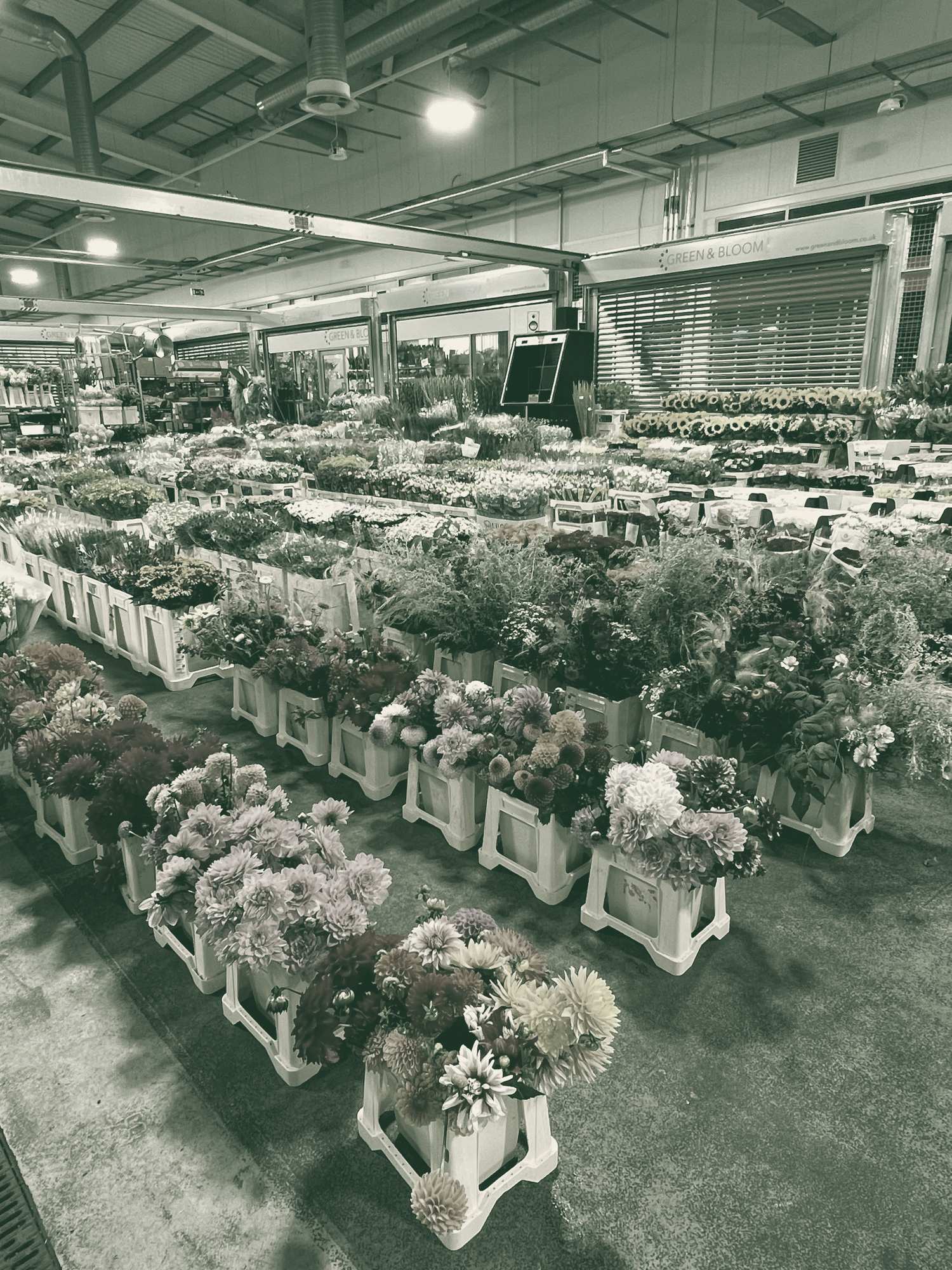
Cut roses from Kenya meet no prohibition, but one special requirement. On 29 November 2026 the EU answer reads:
Rosa (cut flowers) from Kenya into the EU on 2026-11-29: no Annex VI prohibition matched (the high-risk plants list and emergency measures are not checked); 1 special requirement entry matched; a phytosanitary certificate is required.
The entry is point 62. It covers "Cut flowers of Rosa L. and fruits of Capsicum (L.), Citrus L., other than Citrus aurantiifolia (Christm.) Swingle Citrus limon (L.) Osbeck and Citrus sinensis Pers., Prunus persica (L.) Batsch and Punica granatum L.", from "Countries of the African continent, Cape Verde, Saint Helena, Madagascar, La Reunion, Mauritius and Israel". Its requirement runs to 3,653 characters and opens:
Official statement that: (a) the cut flowers and the fruits originate in a country recognised as being free from Thaumatotibia leucotreta (Meyrick) in accordance with the relevant International Standards for Phytosanitary Measures, provided that this freedom status has been communicated in advance in writing to the Commission by the national plant protection organisation of the country of origin, or (b) the cut flowers and the fruits originate in an area established by the national plant protection organisation…
The pest is Thaumatotibia leucotreta, the false codling moth. The exporter has to meet one of the options the entry sets out, and the certificate's additional declaration says which. The entry was last set by 2024/2004.
The same pest in Great Britain
Great Britain keeps its own copy of the regulation, with its own numbers. For the same roses the GB answer is:
Rosa (cut flowers) from Kenya into Great Britain on 2026-11-29: no Annex 6 prohibition matched (the high-risk plants list and emergency measures are not checked); 1 special requirement entry matched; a phytosanitary certificate is required.
The GB text files the false codling moth under Annex 7, Part A, entry 94, changed on 26 April 2025. Same pest, different entry number, different amendment history: an exporter supplying both markets needs both references.
Quote the full text, not an excerpt
Excerpts help to find the right entry. They are not enough to instruct an exporter. Twigmark's requirement_text returns the full wording of one entry as it stood on a date, and every entry page on this site shows it verbatim with a link to the official text. The exporting country's plant protection organisation certifies; the border control post decides.
Cite this
- Title
- What the additional declaration must say, and where its wording comes from
- Permalink
- https://twigmark.bulkhead.solutions/blog/what-the-additional-declaration-must-say
- Texts of
- 29 Nov 2026
- Source
- EUR-Lex, Regulation (EU) 2019/2072 Annex VII; legislation.gov.uk, Annex 7 as it applies in Great Britain
More articles